
In a world that celebrates the "hustle," where our worth is often measured by the number of tasks we strike off a list, "doing nothing" has become a radical, almost rebellious act. We have become experts at planning our vacations with the same surgical precision as our board meetings. We have itineraries that tell us when to wake up, where to eat, and what to photograph. But at the end of such a trip, we return home more exhausted than when we left.
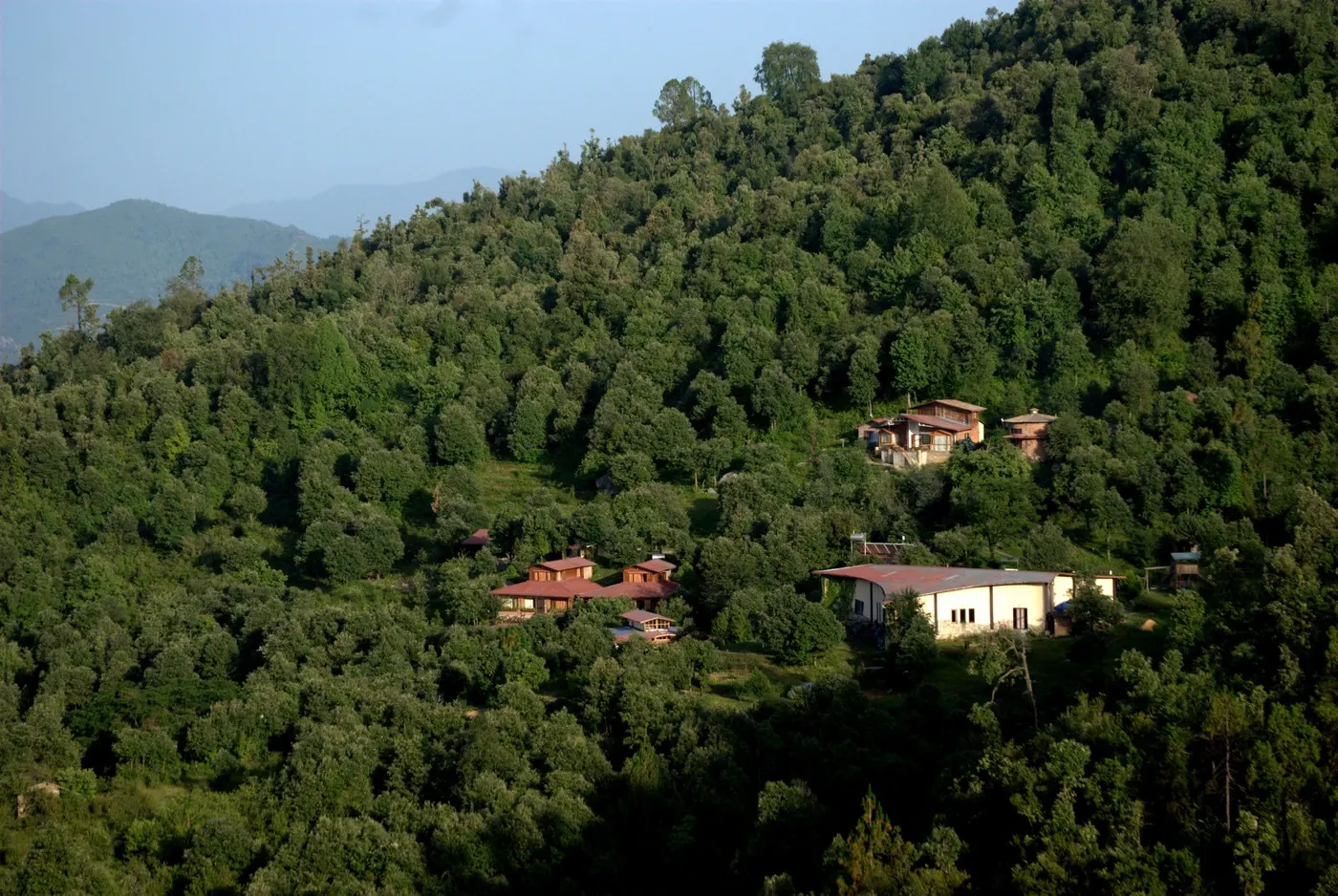
At Misty Mountains Jhaltola, we propose a different kind of journey. We call it the Anti-Itinerary. It is not a schedule; it is an invitation to surrender. It is a guide to rediscovering the art of doing absolutely nothing in a 1,000-acre Himalayan forest.
The Psychology of the Modern Traveler: Why We Are Addicted to Doing
Before we dive into the "how," we must understand the "why." Why do we feel guilty when we aren't "doing" something on vacation? Modern society has conditioned us to believe that time not spent being productive is time wasted. Even our leisure has become competitive—we chase "Instagrammable" spots and "must-see" locations to validate our travels. This leads to Decision Fatigue, where the act of choosing what to do next becomes as stressful as work itself.
This constant pursuit of external validation keeps our nervous system in a state of high alert. At Misty Mountains, we believe that the true purpose of travel is not to see more, but to be more. The Upper Kumaon region, with its vast horizons and ancient forests, provides the perfect backdrop to unlearn the habit of constant activity.
What Exactly is an Anti-Itinerary?
The Anti-Itinerary is the deliberate rejection of the "tourist" mindset. Instead of ticking off popular landmarks or chasing famous "points," you choose to exist in the present moment. In the context of Jhaltola, this means letting the mountains dictate your pace rather than a PDF document.
| Feature | The Standard Itinerary | The Anti-Itinerary (Misty Style) |
| Wake-up Call | 6:00 AM Alarm for "Sunrise Point" | When your body feels fully rested |
| Activities | Back-to-back sightseeing via taxi | Aimless walks in a 1,000-acre forest |
| Dining | Quick meals between locations | 2-hour slow lunches on a Himalayan deck |
| Focus | Photography and social media proof | Internal peace and sensory immersion |
| Outcome | Physical exhaustion and "Post-Vacation Blues" | Deep mental reset and genuine rejuvenation |
The Science of Stillness: Why Your Brain Needs a "Pause"
Constant activity keeps our brain’s Task-Positive Network (TPN) active. While this is great for work, it’s terrible for creativity and emotional recovery. When you step into the Himalayan solitude of Jhaltola, your brain finally gets the chance to switch to the Default Mode Network (DMN).
The 7,000 Feet Advantage
At an elevation of 7,000 feet, the air is cleaner and the environment is free from the electromagnetic noise of the city. Studies show that spending time in high-altitude forests significantly lowers cortisol (the stress hormone). By doing "nothing," you are actually allowing your brain to perform its most important maintenance work—processing emotions, consolidating memories, and sparking new ideas.
1,000 Acres of Private Forest: Your Space to Disappear
Doing nothing requires space—physical and mental. If you are in a crowded hill station with traffic jams and loud music, "nothing" feels impossible. At Misty Mountains, you have a 1,000-acre private forest estate as your sanctuary.
The Luxury of Invisibility
Unlike public parks or crowded trails, our buffer forest offers the luxury of being invisible. You can walk for hours without meeting another soul. You can find a mossy rock under a centuries-old Oak tree and sit there for half a day.
-
Zero Judgment: There is no one to ask why you aren’t "doing" anything.
-
Infinite Silence: The silence here is thick and restorative. It allows you to finally hear the thoughts you’ve been drowning out with city noise.
The Anatomy of an Unplanned Day: A Step-by-Step Guide
How do you actually practice the Anti-Itinerary? Here is how a day at Misty Mountains looks when you stop trying to "achieve" your vacation:
The Un-Alarmed Morning
Forget the early morning rush. Sleep until your body naturally decides to wake up. Listen to the rhythmic "pitter-patter" of rain on the tin roof if it’s monsoon, or the soft golden light hitting your cozy mountain cabin windows. The first win of the day is not having a "plan."
The Slow Breakfast
Don’t check your phone. Instead, taste your food. Our Pahari hospitality ensures you get soul-satisfying, fresh meals. Spend an hour over a cup of local tea. Watch the mist rise from the valley. Notice how the light changes on the peaks of Nanda Devi.
The Sound of Silence: A New Sensory Language
In the city, silence is often the absence of noise, usually achieved through earplugs or soundproofing. But at Jhaltola, silence is a living, breathing presence. It is a "heavy" silence that is occasionally broken by the song of a Blue Whistling Thrush or the distant bark of a barking deer.
When you stop the constant chatter of your own mind and the digital world, you begin to hear the forest. You hear the creak of the Oak branches as they sway in the high-altitude wind. This auditory immersion is a key component of the Anti-Itinerary. It forces your brain to stop scanning for "threats" and allows it to simply drift.
Digital Detox: Breaking the Invisible Shackles
One of the biggest hurdles to "doing nothing" is the rectangular device in your pocket. At Misty Mountains, we encourage a Digital Detox. The urge to check a notification is a reflex that keeps us tethered to the city.
Reclaiming Your Attention
When you choose to keep the phone away, your other senses heighten. You start to notice the texture of the lichen on the trees, the specific scent of the air after a light drizzle, and the varying tones of the wind as it passes through different types of foliage. This is where the Art of Doing Nothing becomes the Art of Seeing Everything.
Poetic Minimalism: Architecture that Supports Stillness
Your environment should support your desire to be still. Our stay options, like the Oak Duplex or the Rosevilla Suite, are designed with the philosophy of Poetic Minimalism.
Frames for the Mind
We don’t believe in cluttered rooms with unnecessary gadgets. We believe in:
-
Natural Materials: Local stone and wood that ground your energy.
-
Massive Windows: These serve as "live paintings." You can sit in your armchair and watch the clouds play across the Himalayan peaks for hours.
-
Private Verandahs: Your verandah is your private theater. The play is always the same—the wind, the trees, and the light.
The Culinary Art of the "Long Pause"
In a typical itinerary, lunch is a pitstop. In an Anti-Itinerary, lunch is the main event. Our farm-to-table cuisine is designed to slow you down.
Soul-Satisfying Pahari Flavors
Eating at Misty Mountains is a sensory experience. Whether it’s the earthy taste of Bhatt ki Churkani or the warmth of fresh Mandua rotis, the food is honest and unhurried. When you eat food that was grown in the very soil you are standing on, you connect to the rhythm of the earth. You realize that nature doesn't rush, yet everything is accomplished.
The Ritual of the Evening Fire: Where Ideas Solidify
As the sun sets and the temperature drops at 7,000 feet, the focus shifts inward. The evening bonfire at Misty Mountains isn't just a place to stay warm; it's a sacred space for the Anti-Itinerary.
There is something primal about staring into a fire. It mimics the "Default Mode Network" of the brain—your eyes are occupied by the dancing flames, but your mind is free to wander into the deepest corners of your consciousness. There is no TV, no loud music, just the crackle of wood and the vast Kumaon sky.
Stargazing: The Night’s Anti-Itinerary
In the city, the night sky is a dull, orange void. At Misty Mountains, because we are far from any urban light pollution, the night sky is a masterpiece.
Losing Yourself in the Cosmos
Doing nothing doesn't stop when the sun goes down. Sitting on a deck with a warm blanket, looking up at the Milky Way, is a humbling experience. It reminds us of the vastness of the universe and the smallness of our daily stresses. Stargazing is the ultimate form of "active nothingness"—your eyes are busy with infinity, but your soul is perfectly still.
Why Jhaltola is the Home of the Anti-Itinerary
Most destinations in Uttarakhand have become "hubs" for tourism. Jhaltola remains a "haven" for travelers.
-
No Traffic Jams: Unlike the crowded streets of Nainital or Mussoorie, the only "traffic" here is a flock of birds or a passing cloud.
-
Authenticity: Our staff, including local experts like Raju Bhai, understands that sometimes the best service is to leave a guest alone with their thoughts.
-
Offbeat Kumaon: This region has preserved its soul. It doesn't demand your attention; it simply invites you to share its peace.
Conclusion: Finding Yourself in the Void
When you stop doing, you start being. The Anti-Itinerary is not about being lazy; it is about being present. It is about realizing that you don't need to "earn" your rest by being productive first.
At Misty Mountains Jhaltola, we provide the canvas, but you are the artist of your own stillness. Whether you spend your days staring at the Himalayan peaks, reading a book by the fireplace, or simply breathing the pure mountain air, you are practicing a lost art—the art of being truly alive.
Come to the mountains. Tear up the itinerary. And rediscover the luxury of doing absolutely nothing.
Ready to tear up your itinerary?
If you feel the call of the mountains and are ready to experience the luxury of doing absolutely nothing, connect with us directly to plan your sanctuary stay.
-
Host: Mr. Madhur (Owner, Misty Mountains Jhaltola)
-
Phone/WhatsApp: +91[9927039123]
-
Location: Jhaltola, Upper Kumaon, Uttarakhand.